
The Pricing Mistake That Could Cost You Your Sale
Seller
Seller
In today’s housing market, pricing strategy matters more than ever.
And yet, one of the biggest mistakes sellers continue to make is assuming the market still works like it did during the ultra-competitive years of 2020 through 2022.
Back then?
Almost everything sold over asking.
Today?
The market has shifted.
Not crashed. Shifted.
And homeowners who fail to recognize that shift are often the ones watching their homes sit… and sit… while price reductions slowly eat away at their leverage.
Recent housing data shows something fascinating:
About 80% of sellers believe their home will sell at or above asking price.
But in reality, only around 39–40% actually do.
At first glance, that sounds alarming.
But here’s the important context:
That’s actually very close to what the housing market looked like during a normal pre-pandemic market.
In other words:
What we’re seeing now is not weakness.
It’s normalization.
The frenzy of 2021 created unrealistic expectations for many homeowners. During that time:
But today’s buyers are behaving differently.
And sellers who fail to adapt to today’s reality often pay the price.
Many homeowners believe pricing high gives them negotiating room.
But today’s buyers don’t usually negotiate with overpriced homes.
They skip them entirely.
Why?
Because buyers now compare listings more carefully than ever before.
They analyze:
And if your home doesn’t align with perceived value?
Buyers move on immediately.
That’s why overpricing creates a dangerous cycle:
Step 1: Fewer Buyers Tour the Home
An overpriced home receives less initial activity online and fewer showings.
Step 2: Less Competition Forms
Without strong early demand, sellers lose leverage.
Step 3: The Home Sits Longer
And once a home lingers on the market, buyers begin asking questions.
Step 4: Price Reductions Begin
Eventually, many sellers reduce the price to regain attention.
But by then, the listing may already feel “stale” in the eyes of buyers.
One of the most important realities in today’s market is this:
The longer a home remains unsold, the larger the eventual price reductions tend to become.
That’s because perception matters.
Buyers naturally wonder:
This is especially important in luxury real estate, where buyers are highly informed and extremely value-conscious.
They’re priced correctly from the beginning.
Not too low.
Not unrealistically high.
Strategically positioned.
That “Goldilocks” pricing approach creates:
✔ stronger initial traffic
✔ more emotional urgency
✔ higher engagement online
✔ better showing activity
✔ stronger negotiation leverage
✔ better odds of multiple offers
And ironically…
That’s often what helps sellers maximize their final sale price.
In today’s market, your first 7–14 days are critical.
That’s when:
If a home enters the market overpriced during that window, sellers risk losing their strongest opportunity to create momentum.
And once momentum disappears, regaining it becomes much harder.
The sellers seeing the strongest outcomes right now are not necessarily the ones pricing highest.
They’re the ones:
✔ understanding local buyer psychology
✔ analyzing real-time market data
✔ preparing their homes correctly
✔ staging strategically
✔ marketing professionally
✔ pricing intelligently from day one
That’s what creates demand in today’s housing market.
The biggest pricing mistake sellers make today is assuming they can always “come down later.”
Because in reality, overpricing often leads to:
The goal is not simply to list your home.
The goal is to launch it strategically.
And that starts with understanding where your home fits in today’s market — not yesterday’s.
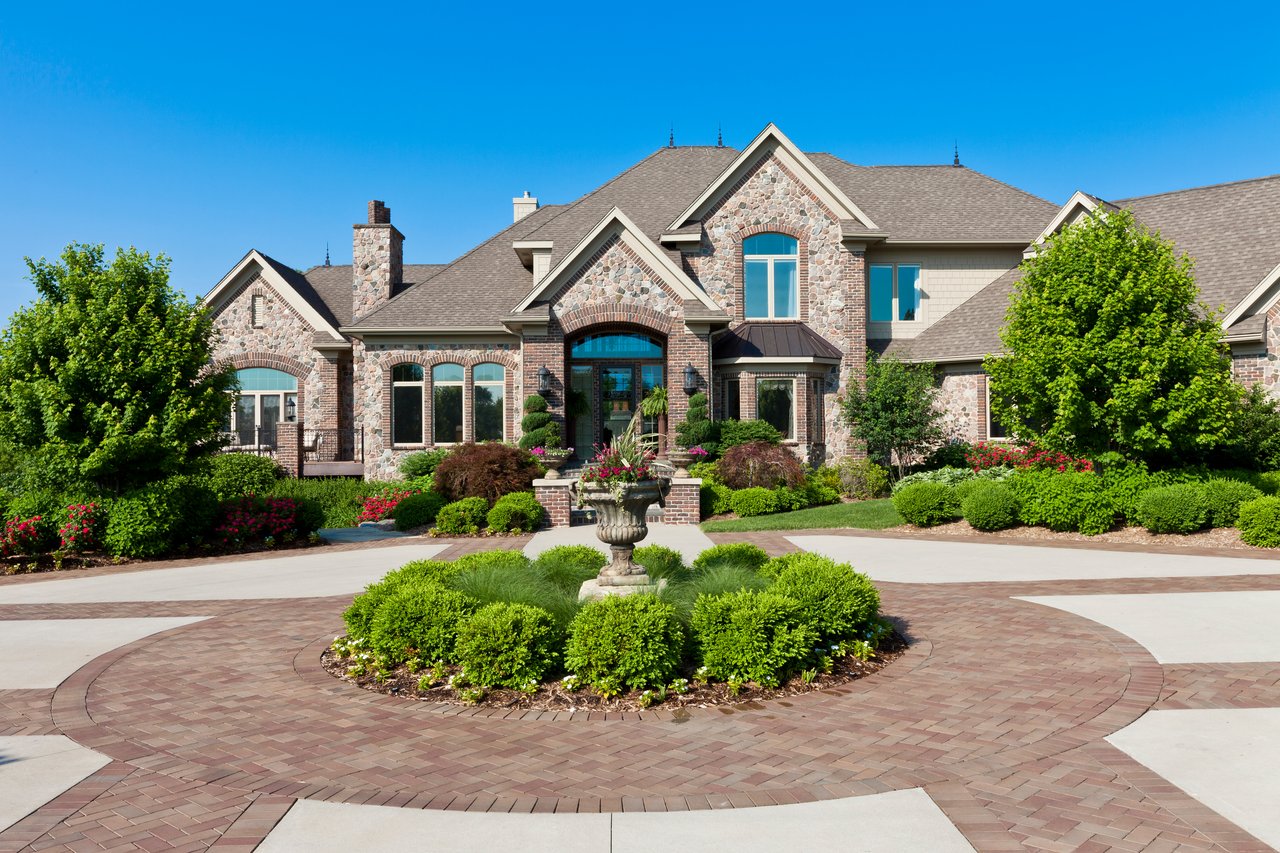
If you’re thinking about selling in Middlesex County or surrounding New Jersey luxury markets, I’d be happy to provide a personalized pricing strategy and market analysis tailored specifically to your home and goals.

Seller
General
Seller
General

Seller
Seller

Buyer

General

Seller